
A properly installed drain should never clog. That’s what most homeowners assume. Honestly, that’s what most plumbers assume too. I found out why drains clog in London Ontario homes the hard way, in my own kitchen, even though I did everything right.
Why Drains Clog: My Own Kitchen Proved Me Wrong
I fully re-piped my own kitchen drain years ago. I ran the line from the stack to the sink myself. The slope was correct. The venting was correct. I’m careful about what goes down my drains, because I know better than to send grease down the line.
So when my wife told me the kitchen sink was draining slowly, I didn’t believe her at first. I just couldn’t picture my own drain being plugged. I’d re-piped it completely, not even five or seven years earlier.
I checked anyway. The drain was highly restricted.
What Causes a Drain to Clog Even When Installed Right
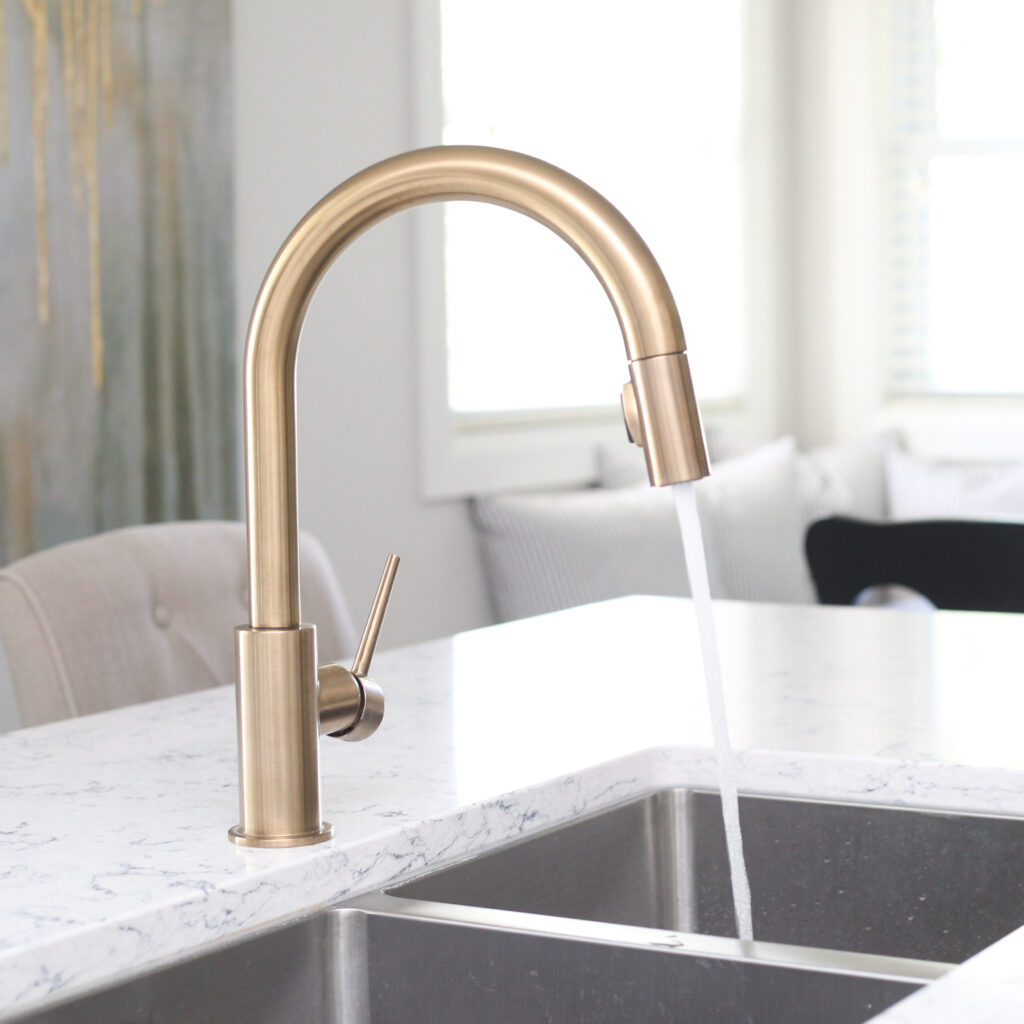
My kitchen has an old-style farm sink, deep and wide. Because of its size, we rarely fill it to wash dishes. Most days, the dishwasher handles cleanup instead, and a dishwasher only sends a thin stream down the drain, not a full volume flush.
Over time, grease and food residue built up inside a drain that was sloped, vented, and sized correctly. My drain clogged from regular use, not from bad installation. Good plumbing had nothing to do with it. Low water volume did.
Why Water Volume Matters as Much as Slope
A drain line needs enough water moving through it to carry waste all the way to the stack. A thin dishwasher stream can’t do that job alone. Neither can a sink that’s rarely filled and drained at full volume. Grease and debris settle along the pipe walls a little at a time. The buildup is gradual, so nobody notices until the drain slows down.
This is common in kitchens with deep farm-style sinks, low-flow fixtures, or homes where a dishwasher does most of the cleanup. The pipe can be flawless and still lose capacity over years of low-volume use. That’s the real answer to why drains clog in homes where everything was installed correctly.
How I Cleared It
I grabbed my drain snake and ran it down the line. That was the first thing I thought to do, and it worked. No special trick, no unusual repair. Just the standard fix, because the pipe itself was never the actual problem.
A Simple Habit That Prevents It
If you have a similar setup, fill the sink occasionally and release a full basin of water down the drain. Don’t rely only on a faucet stream or a dishwasher cycle. That volume flush helps carry grease and residue further down the line before it settles.
Frequently Asked Questions
Why do drains clog even when installed correctly?
Correct slope and venting affect drainage, but they don’t prevent buildup if water volume through the pipe stays consistently low.
Why doesn’t a dishwasher keep a drain clear?
A dishwasher discharges a narrow stream, not a full volume of water. It can’t flush a drain line the way filling and draining a sink can.
Are farm sinks more prone to slow drain clogs?
Not because of the sink itself. Deep farm sinks are often used for soaking rather than filled and drained regularly, so less volume flushes the line.
How can I tell if my drain is clogging gradually?
Slower drainage over weeks or months, rather than a sudden blockage, is the usual sign. It’s worth having a plumber check it before it fully blocks.
What’s the fix for a drain clogged from buildup rather than bad installation?
In most cases, a standard drain snake clears it. No re-piping or structural work is needed if the line itself was installed correctly.
Does the City of London have guidance on preventing drain blockages?
Yes. The City of London’s wastewater and sewer guidance recommends limiting grease and food waste down household drains to reduce blockages in both home plumbing and municipal lines.
Noticing a slow drain in your London or St. Thomas home, even if the plumbing was done right? Triton Home Service can clear it and check the line. Book online through Housecall Pro or call 226-270-5177.
About the Author
Aron Oretan is the owner of Triton Home Service, a Red Seal Plumber and Red Seal Steamfitter with over 26 years in the trade. He holds the RSE designation and has spent five years teaching at Fanshawe College. Triton serves London, St. Thomas, and the surrounding Southwestern Ontario region with residential service, renovations, and ICI new construction.