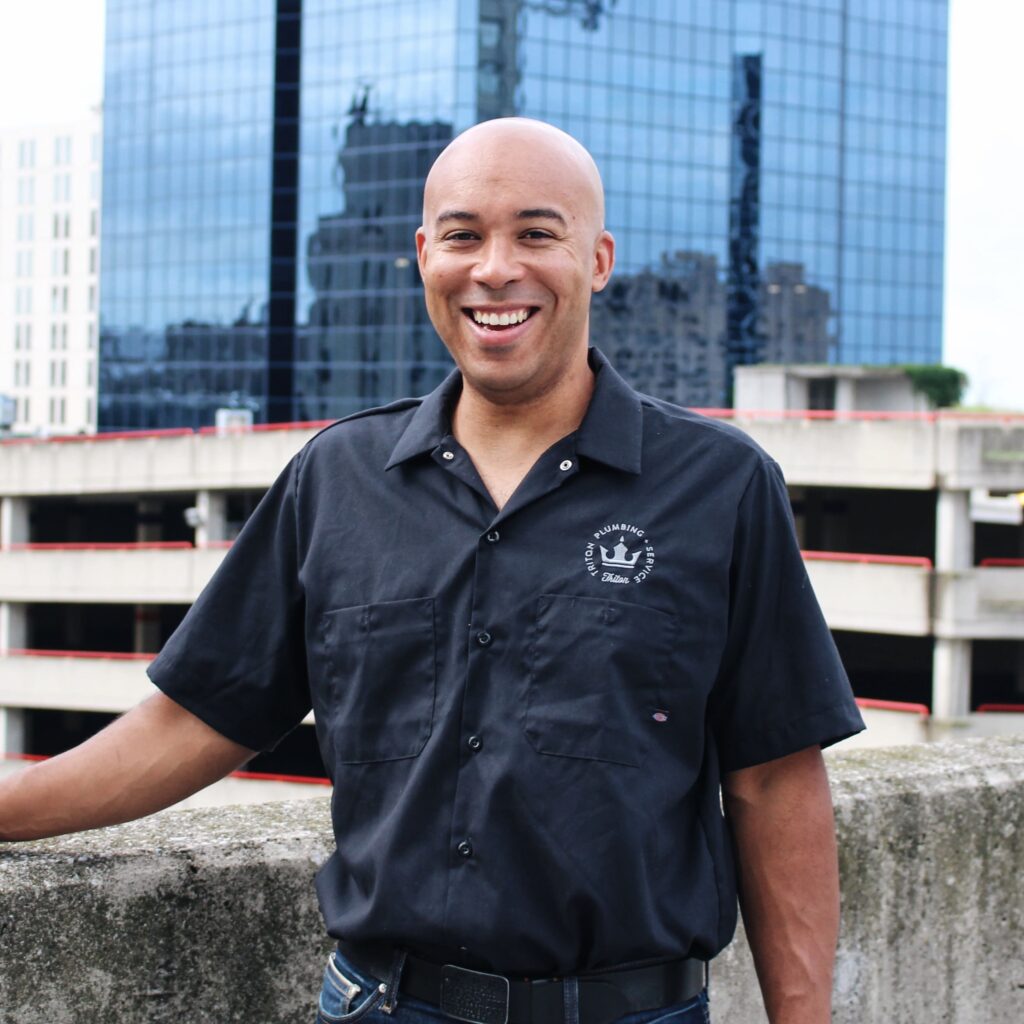
Every spring in London Ontario, my phone starts ringing with the same call. Slow drain. Gurgling toilet. Water backing up in the basement. Homeowners think it’s a simple clog that needs drain cleaning. However, nine times out of ten — especially in older London neighbourhoods — it’s tree roots in the main sewer line. And ignoring it is the most expensive mistake a homeowner can make.
I’m a licensed master plumber. I’ve been doing drain cleaning in London Ontario for 26 years. Here’s the honest conversation I wish every homeowner had before things got bad.
Why Spring Is When London Drain Problems Show Up
Winter keeps tree roots dormant. But as soon as the ground thaws, roots wake up and start growing aggressively. They’re looking for water and nutrients. Unfortunately, your main sewer line is exactly what they’re looking for.
As a result, March and April are when we see the most main line blockages in London. The roots have been working all year. Spring is just when the damage becomes impossible to ignore.
What Drain Cleaning in London Ontario Actually Looks Like
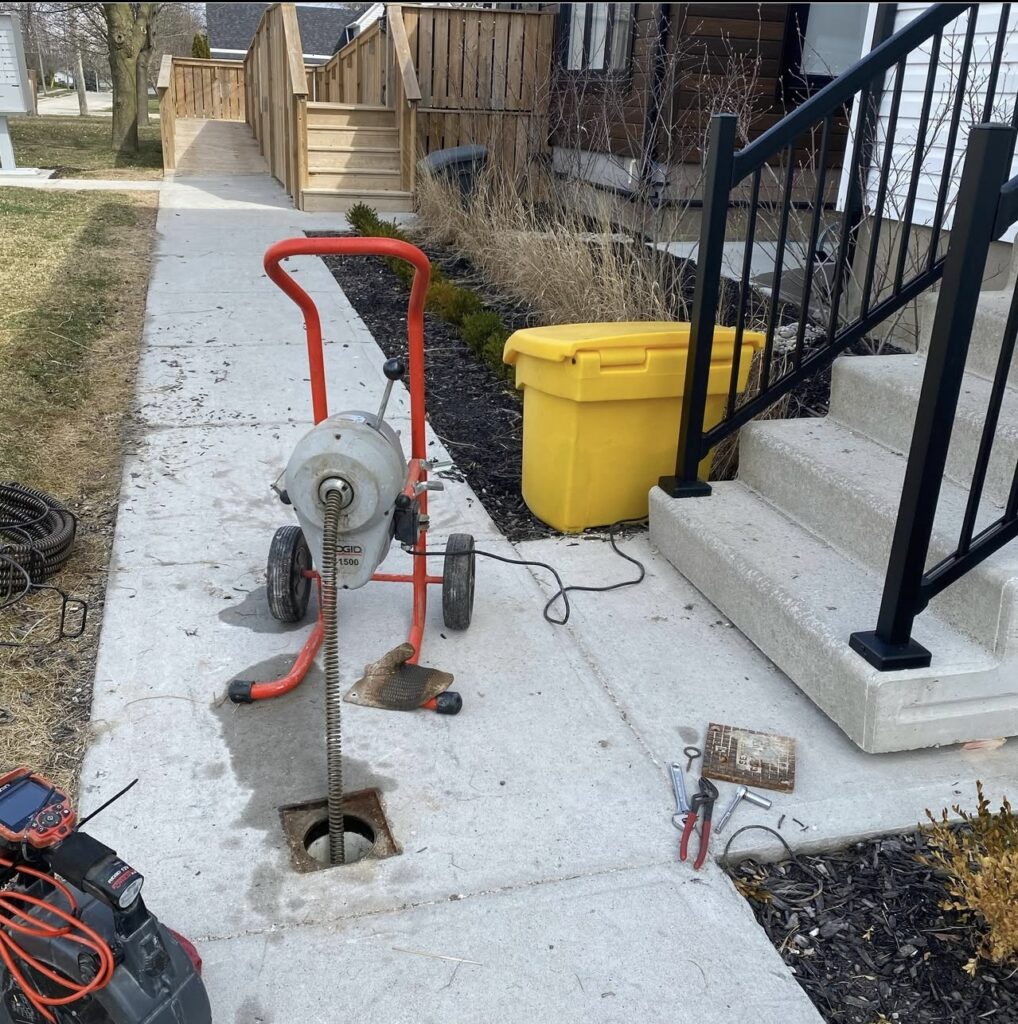
When I show up to a main line blockage, the first thing I do is run the snake. A lot of people assume we camera the drain first. However, that’s not how it works in practice.
If your drain is blocked and full of murky water, the camera can’t see anything. Even with a light on the end, dark water with debris floating in it tells you nothing. So first, we clear the blockage with the cable. Then we send the camera in to see what we’re actually dealing with.
What we find on that camera tells us everything.
The Four Types of Pipe We Find in Older London Homes
London has a lot of older housing stock. Furthermore, older homes have older pipes — and each type fails differently when roots get involved.
Clay pipe is the most common culprit. Clay is porous. Tree roots can actually sense the water moving through it. As a result, they grow straight through the pipe wall. After we clear a blockage, we can see the roots dangling inside the pipe on camera — from the top, bottom, and sides of the line.
Cast iron pipe is also porous. However, with cast iron we tend to see root intrusion at the joints and gaskets where sections connect. Those are the weak points roots exploit.
Tar-wrapped paper. It was used in mid-century construction. This type doesn’t just let roots in — it collapses completely. When we camera an Tar Paper line, we can see the pipe literally caving in on itself.
Asbestos pipe is still present in some older London homes. Like cast iron, roots tend to enter at the gasket joints between sections.
Each of these pipe types tells a different story on camera. Consequently, the solution depends entirely on what we find.
What We Tell Homeowners After the Camera Inspection
This is the conversation I take seriously. I show homeowners the actual camera footage. Then I walk them through exactly what I’m seeing and what their options are. Because there’s no one-size-fits-all answer — it depends on how bad the root intrusion actually is.
Option 1 — Annual maintenance. If we’re seeing slight root intrusion and the pipe is otherwise intact, we can snake it out and put the home on an annual drain cleaning schedule. We come back every year, snake the drain, camera it, and give the homeowner an update on the situation. That way they don’t have to think about it. A camera and snake service runs around $200–$300.
Option 2 — Drain patching. We’re in the process of adding drain patching to our services. This allows us to patch problem sections of pipe in three-foot increments — so three, six, nine, or twelve feet at a time. It’s a more permanent fix for specific failure points without digging up the entire line.
Option 3 — Full reline or dig up. If the root intrusion is severe — if I’m seeing giant root balls filling the pipe — I’m not going to recommend annual maintenance. That would give homeowners a false sense of security. In that case, the honest answer is a full solution. Relining can extend right to the sewer connection. A dig up works from the property line back toward the house. Both are significant investments. However, they solve the problem permanently.
Cost is always a factor. Nobody dreams about relining their sewer. Nobody budgets for it. So I show them the footage, explain the pros and cons of each option, and let them make an informed decision based on their situation.
Learn more about Triton’s drain cleaning and sewer services
The Mistake That Turns a $300 Problem Into a $10,000 Emergency
Here’s what I see too often. A homeowner notices a slow drain. They wait. It gets worse. They wait some more. Eventually the pipe doesn’t just have roots in it — it collapses completely.
At that point, no amount of snaking will clear it. A collapsed drain cannot be snaked out. It also cannot be relined — because there’s nothing left to line. The only option left is excavation. We have to dig up the line, which means tearing up your front yard, possibly redoing landscaping, and coming up with significant money instantly — not on your timeline, but on the drain’s timeline.
And when a main sewer line collapses, you know it immediately. Sewage backs up into your home. A sinkhole in the yard is possible, though not guaranteed. But the sewage backup — that’s certain. Furthermore, you have no sewer until it’s fixed. That’s not a situation anyone wants to be in.
The homeowners I feel worst for are the ones who knew something was wrong six months earlier. They waited, hoping it would resolve itself. It never does. So the most important thing I can tell you is this: if your drain is slow in spring, call a plumber now. Don’t wait for a collapse to force your hand.
[Internal link: Book a drain cleaning assessment with Triton →]
Frequently Asked Questions About Spring Drain Cleaning in London Ontario
Why do drains block up in spring in London Ontario? Tree roots are the main reason. As the ground thaws, roots grow aggressively toward water sources. Your main sewer line is exactly what they’re looking for. As a result, March and April are peak months for main line blockages — especially in older London neighbourhoods with clay or cast iron pipe.
How do I know if I have tree roots in my main sewer line? Slow drains, gurgling toilets, and water backing up in the basement are the most common signs. However, the only way to know for certain is a camera inspection after the line is cleared. We snake the blockage first, then camera the line to see what caused it.
Can I just snake the drain myself? You can rent a snake, but without a camera you won’t know what you’re dealing with. Furthermore, if the pipe has collapsed, no amount of snaking will fix it. A professional camera inspection tells you whether you need maintenance, patching, or a full solution — and that information is worth the cost of the service call.
How much does drain cleaning cost in London Ontario? A camera and snake service typically runs $200–$300. However, the cost of doing nothing and allowing a collapse is significantly higher. Emergency excavation and pipe replacement can run into the thousands depending on the extent of the damage.
How often should I get my main sewer line cleaned? If you’ve had root intrusion before, annual drain cleaning is the right answer. We can put your home on a maintenance schedule so you don’t have to remember. We come back, snake the line, camera it, and give you an honest update on the pipe’s condition every year.
Don’t Wait for Spring Drain Problems to Become Summer Emergencies
If your drains are slow right now, this is your window. Spring is the right time to get ahead of root intrusion — not after the pipe fails, not after sewage backs up into your basement, and not after you’re forced into an emergency excavation with no time to plan.
I’ve been doing drain cleaning in London Ontario for 26 years. The homeowners who call early get options. The ones who wait often don’t.
[Internal link: Contact Triton Home Service to book your spring drain cleaning in London Ontario →]
For reference: City of London — Sewer and Drain Information — City of London Ontario
Aron Oretan is a Licensed Red Seal Plumber and Steamfitter, UA Certified Instructor, and founder of Triton Home Service. With 26 years in the trade, licences in plumbing, steamfitting, and gas fitting, and five years teaching at Fanshawe College, he brings classroom expertise and field experience to every job in London, Woodstock, and Southwestern Ontario. Phone: 226-270-6424 | tritonservice.ca