Frozen pipes in London Ontario usually don’t announce themselves. Most homeowners notice the problem when the temperature starts to rise — or when they turn on a tap and nothing comes out. By the time you realize something is wrong, the damage may already be done.
I am Aron Oretan — a Licensed Red Seal Plumber and Steamfitter with 26 years in the trade and founder of Triton Home Service. Here is everything London homeowners need to know about frozen pipes — what causes them, what to do when it happens, and how to prevent them.
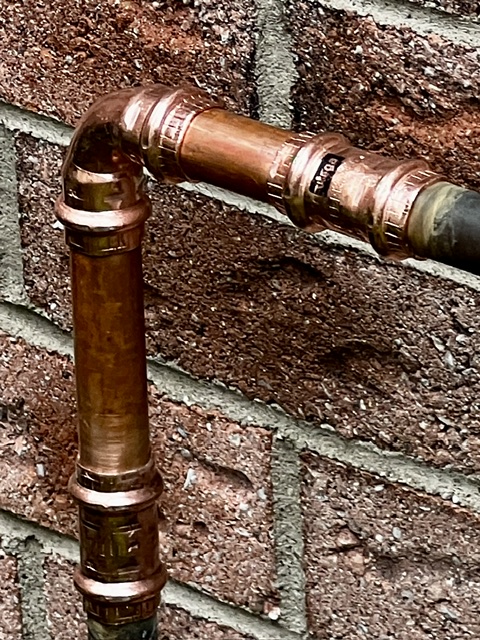
When Do Frozen Pipe Calls Happen in London Ontario
Frozen pipe calls come during cold snaps. In London Ontario that usually means temperatures dropping below minus twenty or thirty degrees Celsius.
Here is what most people do not expect. The calls do not always come during the coldest part of the snap. They come when it starts to warm up. That is when homeowners turn on a tap and realize the water has stopped — or when a pipe that has already split starts spraying water as the ice inside begins to thaw.
If your water has stopped during or after a cold snap, do not wait. Call 226-270-5177 immediately.
What Causes Frozen Pipes in London Homes
Cold weather is the trigger. But cold weather alone is rarely the real problem.
In London Ontario, frozen pipes almost always trace back to one of two things. The first is a DIY renovation where a homeowner ran a water line along an outside wall without proper insulation. The second is a general contractor who treated plumbing as an afterthought — running pipe close to an exterior wall or leaving a crawl space poorly insulated so cold air could get in around the water lines.
Copper pipe is the classic victim. But PEX pipe freezes just as easily. The material does not matter. What matters is whether cold air can reach the waterline.
The Ontario Plumbing Code restricts where water lines can be run for exactly this reason. When renovations are done properly — by a licensed plumber following code — frozen pipes are rare. When they are done by someone cutting corners, frozen pipes are inevitable.
What To Do Right Now If Your Pipes Are Frozen
If you suspect a frozen pipe, act fast. Here is exactly what to do.
Step 1 — Turn on the affected fixture. If your bathroom sink has no water, turn that tap on. Leave it open. This relieves pressure in the line and gives the water somewhere to go when the ice starts to melt.
Step 2 — Turn up the heat in your home. Get your furnace running as high as you can tolerate. Heat is your best tool.
Step 3 — Get a space heater on the problem area. If you know which wall or area the frozen pipe is in, get a space heater pointed directly at it. If you can safely open the wall or cabinet to expose the pipe, do it. The faster you get heat onto that pipe, the better your chances of thawing it before it splits.
Step 4 — Keep a drip going on any other vulnerable fixtures. Moving water cannot freeze. If you have other fixtures that have given you trouble in past winters, leave them dripping until the cold snap passes.
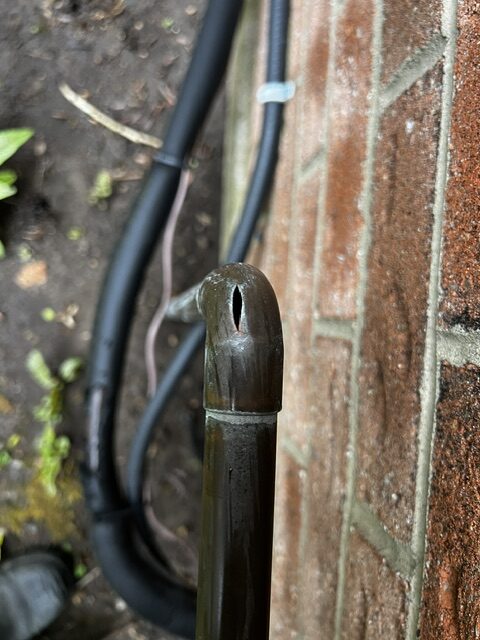
One important warning. If your pipes are copper and the water stopped completely during a cold snap, there is a real chance the pipe has already split. You may not know until it thaws. As the ice melts, water will start spraying from the rupture. Be ready to shut off your main water valve the moment you see water coming from a wall or ceiling.
Know where your main shut-off valve is before winter arrives. In London Ontario homes it is typically near the water meter in the basement or utility room.
What Happens When a Pipe Has Already Burst
A burst pipe is an emergency. The first call you make should be to 226-270-5177.
Here is what we do when we arrive.
First, we shut off the water to the house and drain the system down. This stops the damage from spreading. Then we locate the rupture. If the burst pipe is inside a wall or ceiling, we open that area up to find exactly where the split occurred.
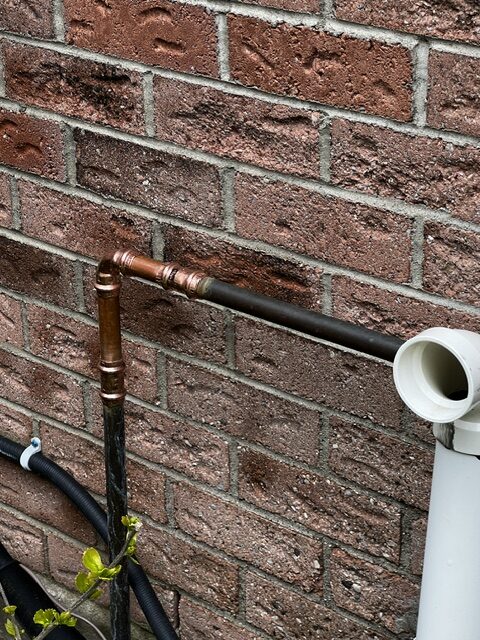
Water expands when it freezes. That expansion is what causes copper pipe to burst — the ice inside pushes outward until the pipe wall gives way. Once we find the damaged section, we cut it out and replace it with new copper.
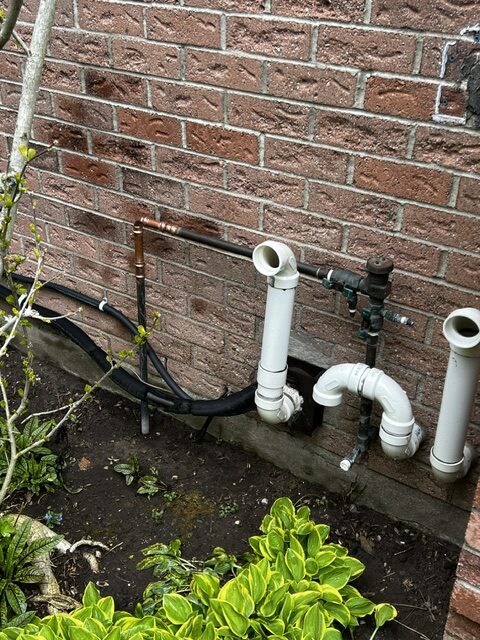
If we can relocate the waterline away from the outside wall at the same time, we do it. That prevents the same pipe from freezing again next winter. If additional insulation is needed, we advise you on that before we leave.
Book an emergency plumbing call in London Ontario.
How To Prevent Frozen Pipes in Your London Home
Prevention is always cheaper than repair. Here is what actually works.
Follow the plumbing code during renovations. The Ontario Plumbing Code exists for a reason. It restricts where water lines can be run and specifies insulation requirements. When you hire a licensed plumber for your renovation, this is handled automatically. When you do it yourself or hire someone who does not know the code, you are gambling with your pipes.
Insulate properly and stop air infiltration. Cold air getting into your home around pipes is the enemy. During any renovation — especially in older London homes — make sure insulation is installed properly around any water lines near exterior walls. Seal any gaps where cold air can penetrate.
Know your vulnerable spots. If a pipe has frozen before, it will freeze again under the same conditions. Get a plumber to look at how that line is run and fix the underlying problem. A drip on that fixture during cold snaps is a temporary fix. Relocating the pipe is the permanent one.
Leave vulnerable fixtures dripping during extreme cold. If minus twenty or colder is in the forecast and you have a fixture that has given you trouble before, leave it dripping overnight. Moving water does not freeze. It is a simple and effective precaution.
Frequently Asked Questions — Frozen Pipes London Ontario
How do I know if my pipes are frozen? The most common sign is turning on a tap and getting little or no water during or after a cold snap. You may also hear a gurgling sound or notice frost on exposed pipes in your basement or crawl space.
What should I do first if I think my pipes are frozen? Turn on the affected fixture, turn up your heat, and get a space heater on the area where you suspect the freeze. If you do not see improvement within an hour, call Triton at 226-270-5177.
Can frozen pipes thaw on their own? Sometimes. If the pipe has not split, warming temperatures may thaw it without damage. The risk is that you will not know whether it has split until water starts spraying from the wall. Do not leave it and hope for the best.
How much does it cost to repair a burst pipe in London Ontario? Cost depends on where the pipe is located and how much access is required. A burst pipe in an open basement is a straightforward repair. A burst pipe inside a finished wall takes longer and costs more. Call 226-270-5177 for an honest assessment.
Can PEX pipe freeze? Yes. PEX is more flexible than copper and less likely to burst in some cases, but it can still freeze solid and fail. No pipe material is immune to freezing if cold air reaches it.
Why does my pipe keep freezing every winter? If the same pipe freezes repeatedly, the problem is how it is installed — too close to an exterior wall or in an area with poor insulation. The fix is relocating the pipe or properly insulating the area. A drip is a bandage, not a solution.
Does Triton Home Service handle emergency frozen pipe calls in London Ontario? Yes. Call 226-270-5177 and we will advise you immediately on what to do while we are on our way.
Dealing with a frozen or burst pipe? Do not wait. Call 226-270-5177 or book online now.
Aron Oretan is a Licensed Red Seal Plumber and Steamfitter, UA Certified Instructor, and founder of Triton Home Service. With 26 years in the trade, licences in plumbing, steamfitting, and gas fitting, and five years teaching at Fanshawe College, he brings classroom expertise and field experience to every job in London, Woodstock, St. Thomas, and Southwestern Ontario. Phone: 226-270-5177 | tritonservice.c