
In London, a building permit already covers the plumbing in the job. You don’t need a second permit on top of it. If the job is plumbing only, with no other building work, it gets its own plumbing permit.
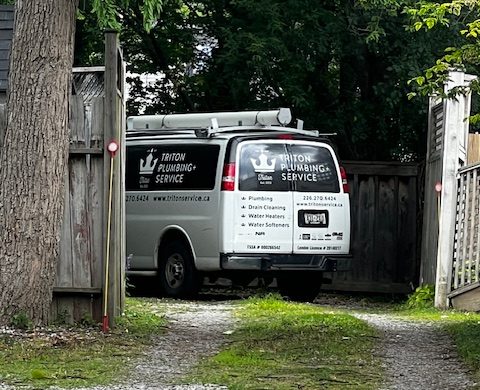
Homeowners can file their own permit. If you hire someone to do the plumbing, they must be a licensed plumbing contractor.
A London plumbing permit brings a sequence of inspections, not just one:
- Underground: before any new drain or pipe gets covered.
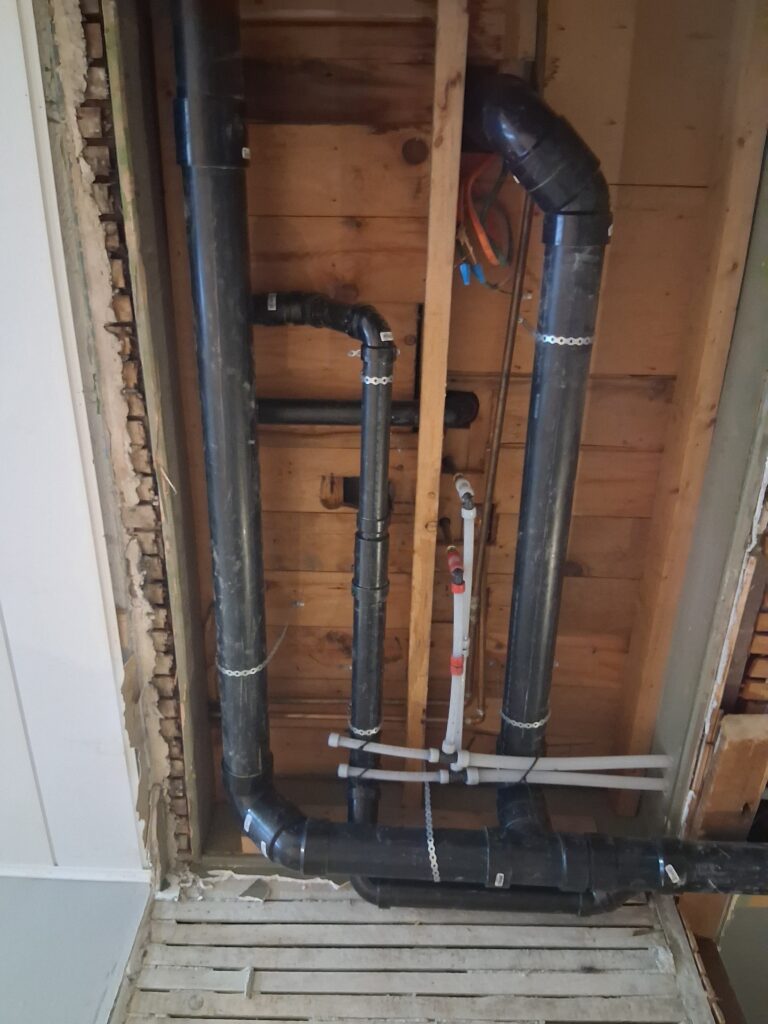
- Rough-in: with the pipes run, before the drywall goes up.
- Final: with all fixtures on, plus a test that holds.
London is lucky here. Our plumbing inspectors start as licensed plumbers. Then they take separate building inspection training and certification on top of that. Their skill set goes beyond a plumber’s. You’re not being inspected by someone guessing.
The city is also reasonable. If your plans change, you won’t be told to rip out finished work. They just want the required inspections done at the right stages.
Do You Need a London Plumbing Permit?
It depends on the work. Replacing a toilet, sink, or faucet doesn’t need a permit.
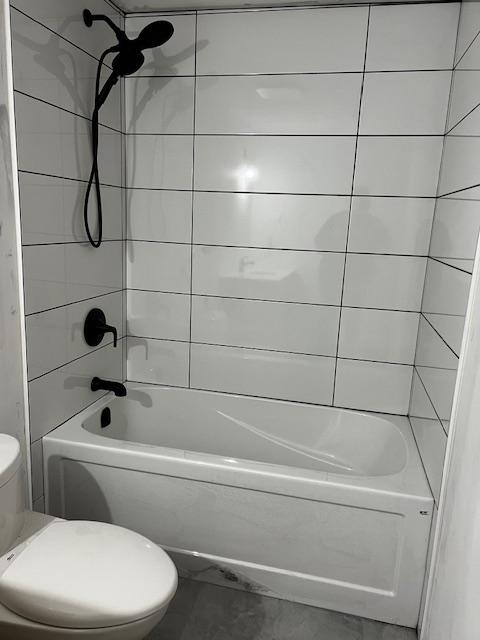
Tearing down walls does. So does moving fixtures, adding fixtures, or relocating pipes. The City’s page on common homeowner projects lists roughing in plumbing and adding fixtures as permit work when you finish a basement. Running water out to a shed or garage needs one too.
Most renovations land in that second group, even when they feel small. Homeowners often assume a renovation doesn’t count the way new construction does. It does.
Where Skipping a London Plumbing Permit Goes Wrong
It doesn’t go wrong for homeowners who pull a permit and follow the inspections. It goes wrong when a builder tells them they don’t need one.
Permits cost money. They take paperwork, planning, and effort. Some builders skip them to avoid all three. It happens all the time.
Sooner or later, unpermitted work tends to come out. A neighbour can report construction. A building inspector can get called. A sale or a leak can force it into the open.
Insurance is the worst case. A staff member at the city’s building department once told me about a homeowner who finished a whole basement without permits. Later there was damage, and the insurance company denied the claim. With no permit, there was no proof the work was done properly. I heard that one secondhand. But the logic holds. An insurer wants records, and a permit is the record.
What to Check Before You Hire Anyone
Check the contractor before work starts. It takes a few minutes. Ask for:
- Proof of WSIB coverage.
- Their licence, and proof their tradespeople hold theirs.
- Proof of insurance.
- A reputation you can verify, such as past customers and Google reviews.
Then make sure the permit is pulled before work begins. Not after. If a contractor says you don’t need one for a job that touches walls or moves plumbing, get a second opinion. Call the City’s Building Division at 519-661-4555 or email building@london.ca.
What a London Plumbing Permit Costs
In my experience, a basic plumbing permit, like adding a backflow device, runs about $300 when the homeowner files it. Confirm the current fee with the city before you budget.
That isn’t wasted money. It buys a licensed, trained inspector looking at your work and passing it. Compare that to $15,000 to dig up a playground, or a denied insurance claim.
Planning a renovation? Talk to us before you start, so the permit is in place first. Our plumbing services cover London and the surrounding area. Book online or call 226-270-5177.
Frequently Asked Questions
Do I need a permit to replace a toilet, sink, or faucet?
No. Swapping a fixture in the same spot doesn’t need a permit. Moving it or adding one does.
When do I need a London plumbing permit?
You need one when you open walls, move fixtures, add fixtures, or relocate piping. That covers most renovations.
Do I need a separate plumbing permit in London?
Not if you have a building permit. It already covers the plumbing. A plumbing-only job gets its own plumbing permit.
Can I pull my own London plumbing permit as a homeowner?
Yes. Homeowners can file their own permit. If you hire someone for the plumbing, they must be a licensed plumbing contractor.
How much does a London plumbing permit cost?
A basic plumbing permit, like adding a backflow device, runs about $300 in my experience when the homeowner files it. Check the city for the current fee.
What inspections does a plumbing permit require?
There are three. Underground comes before pipes are buried. Rough-in comes before drywall. The final comes with all fixtures on and a test that holds.
What happens if the work was done without a permit?
You may have to get the permit after the fact. Inspectors then need to see the work, which can mean opening finished walls, floors, or pavement.
Aron Oretan is the owner of Triton Home Service, a Licensed Red Seal Plumber and Steamfitter with 26 years in the trade, serving London, St. Thomas, and Oxford County.