
re-piping your home London Ontario is never the first conversation I want to have with a homeowner. It’s also never a recommendation I make without investigation and honest evidence. However, after 26 years in the trade and thousands of service calls across London and Southwestern Ontario, I know exactly what to look for. When the evidence is there, having that conversation early saves homeowners from flooded ceilings, destroyed floors, and emergency calls in the middle of the night.
Here is what I actually see in London homes that leads to a re-pipe recommendation.
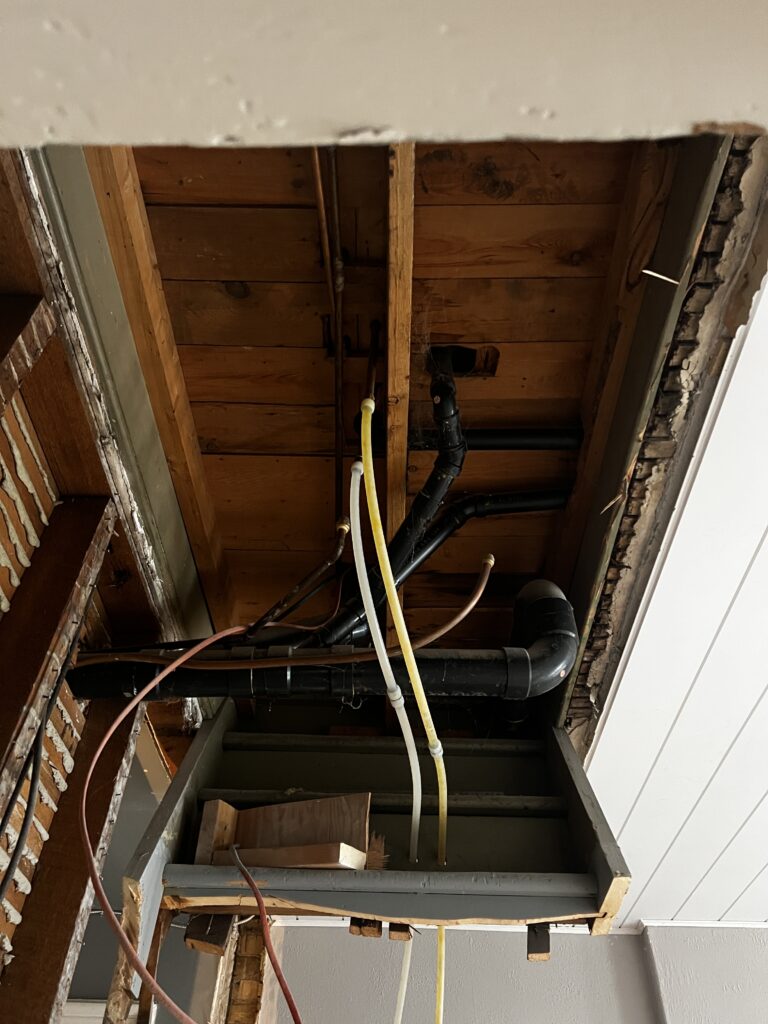
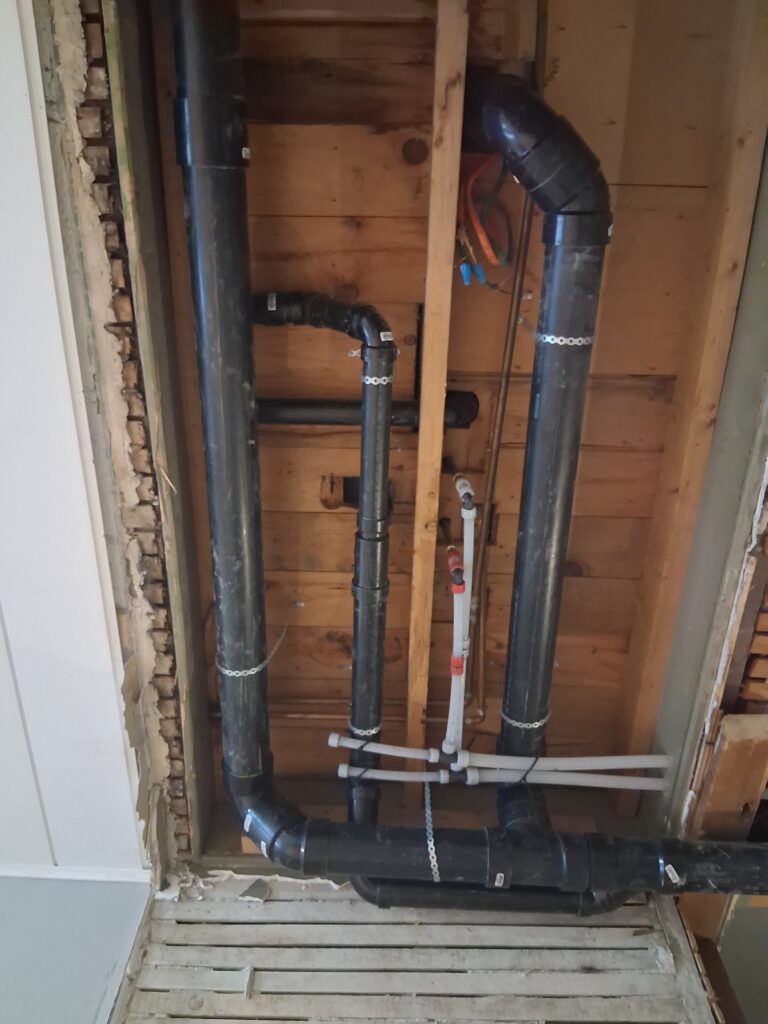
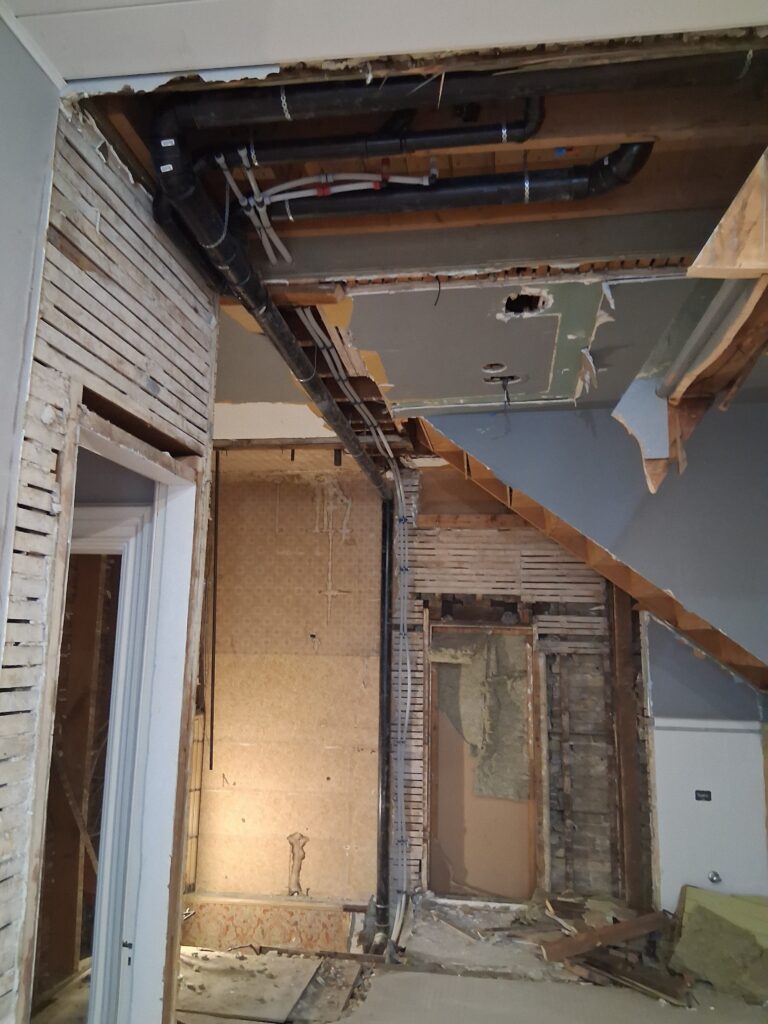
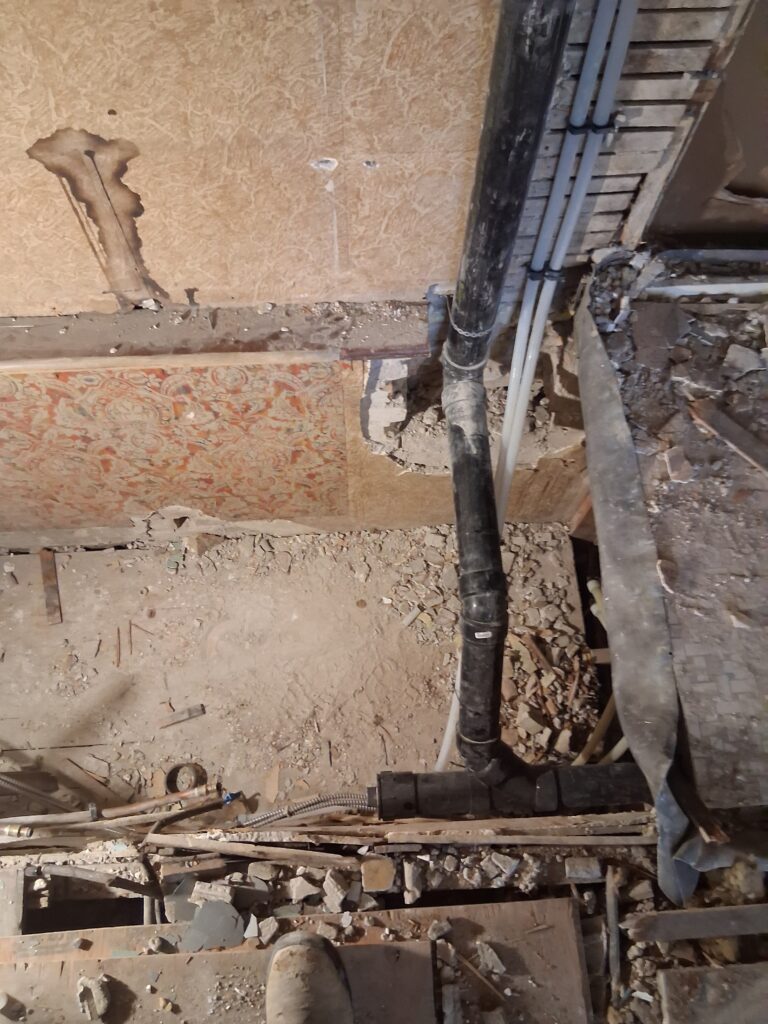
Lead Water Mains: A Health Conversation First
If I walk into a home and see a lead service line coming through the foundation wall, the conversation changes immediately. This isn’t just a plumbing issue. It’s a health issue.
Lead pipe was standard in London homes built before the 1950s. Many still have the original lead service line connecting the city main to the house. Lead does not belong in your drinking water. Furthermore, there is no safe level of lead exposure for children.
If your home has a lead water main, replacing it is a conversation we need to have. The City of London has programs to assist with lead service line replacement. However, the pipe on your side of the property line is your responsibility. We handle that work regularly in older London neighbourhoods including Old South, Wortley Village, and Old East Village.
According to Health Canada, lead exposure from drinking water is a serious public health concern, particularly in homes with original lead service lines built before 1955.
Galvanized Pipe: The Biggest re-pipe Conversation in London Ontario
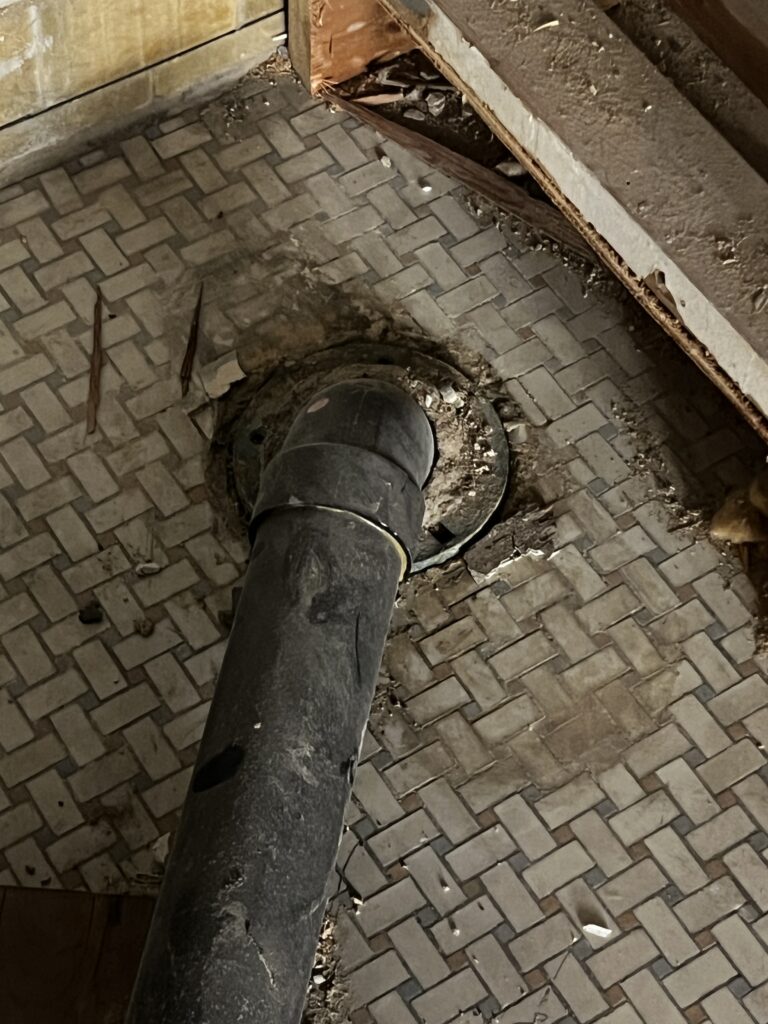
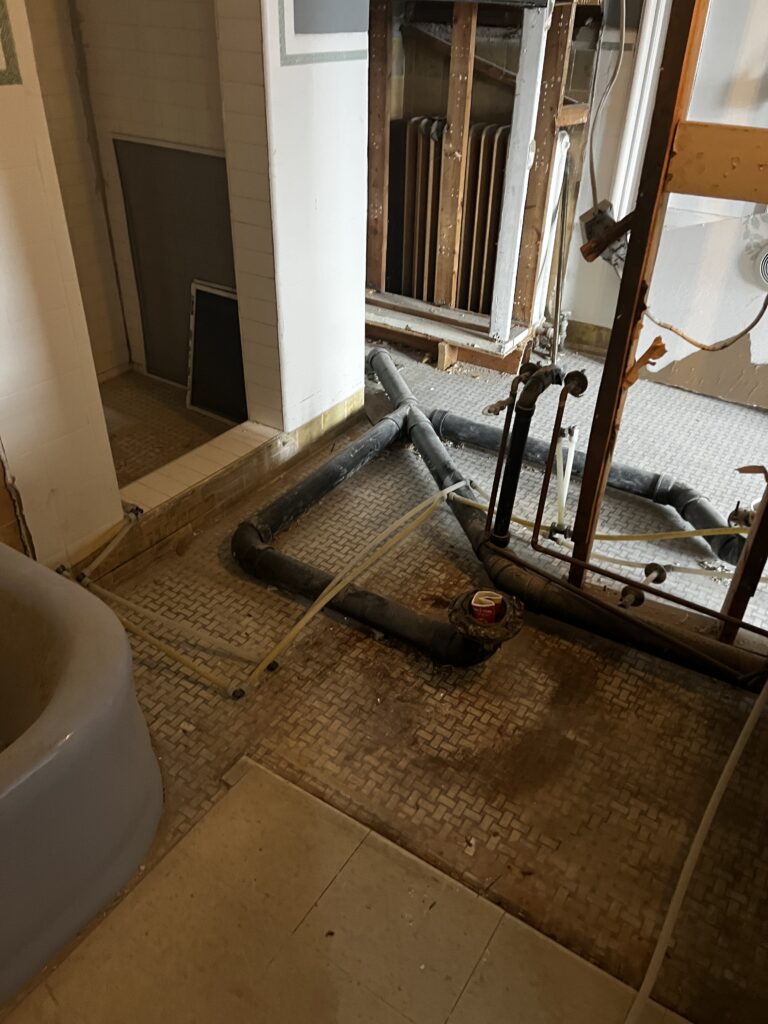
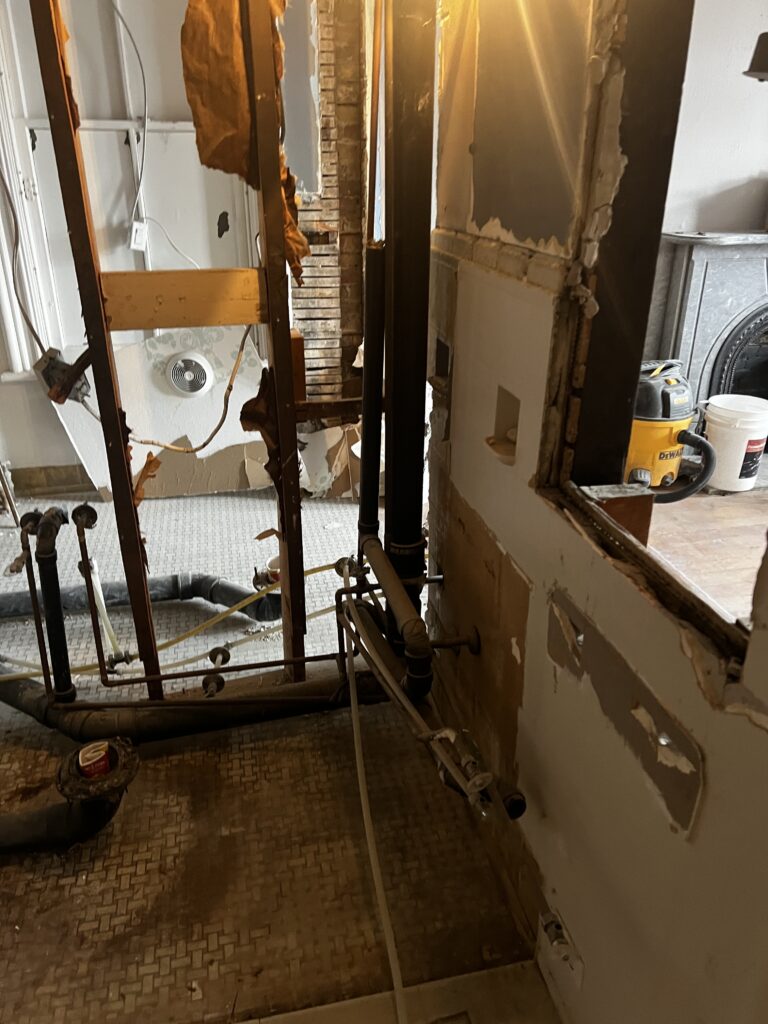
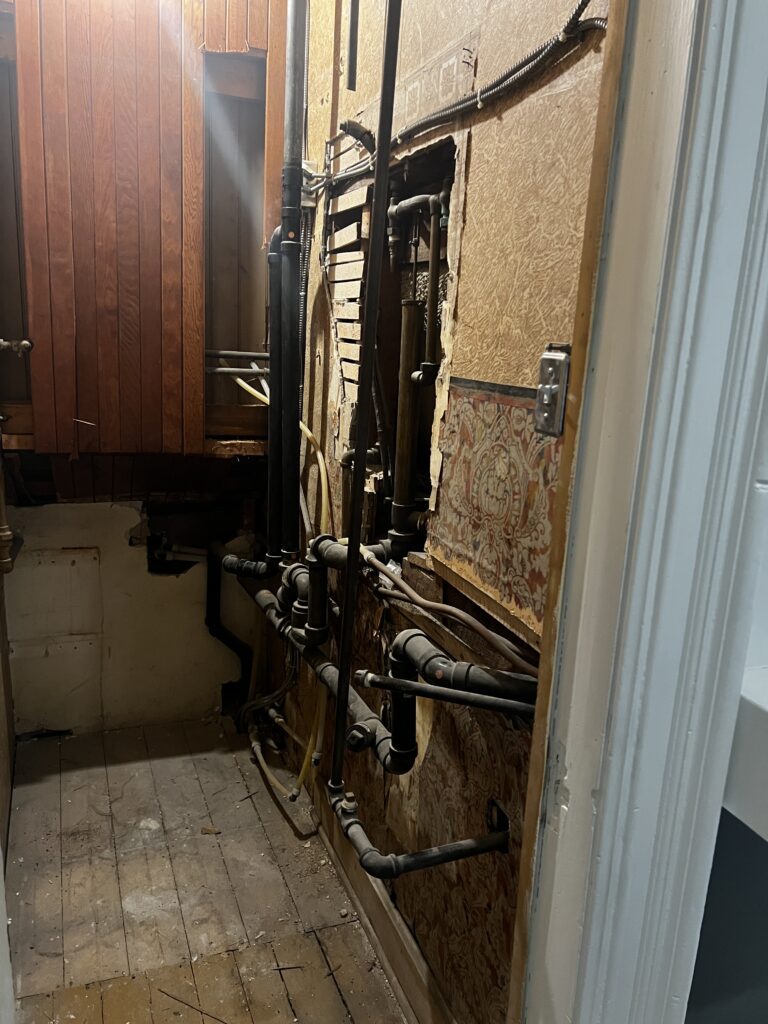
Galvanized pipe is the most common and most urgent re-pipe conversation I have with London homeowners. I see it regularly in basements and walls of older homes across the city — Old South, Byron, Old East Village, and anywhere a home was built before the late 1970s.
The problem is invisible until it isn’t.
Galvanized pipe is steel pipe with a zinc coating on the outside. The outside looks acceptable for decades. However, the inside is bare steel — and it rusts every single day. That rust builds up on the interior wall of the pipe. Over time the opening gets smaller and smaller. Water pressure drops gradually. Discolouration appears at your taps. And then without warning the pipe lets go.
“Galvanized pipe is not a matter of if it’s going to fail. It is a matter of when.” — Aron Oretan, Red Seal Plumber and Steamfitter, Triton Home Service
The other reality homeowners don’t know — and this one gets their attention immediately — is the insurance issue. If an insurance company discovers galvanized pipe in your home during a claim or policy renewal, they will require you to remove it before they continue to insure the property. Therefore galvanized pipe isn’t just a plumbing liability. It’s a coverage liability.
Triton Field Note: “I’ve pulled galvanized pipe out of Old South London homes that looked completely normal from the outside. On the inside the opening was nearly closed with rust buildup. The homeowner thought they just had low water pressure. They had a pipe that was weeks away from failing.” — Aron Oretan, Triton Home Service
If you see dark grey steel pipe with a rough texture in your basement or coming out of walls in your kitchen or bathroom — that’s galvanized. It needs to come out. The question is whether we do a partial re-pipe of the visible sections or a full replacement. That conversation starts with a free in-home estimate.
Copper Pipe: When to Leave It and When to Replace It
Copper pipe has an excellent long-term track record. In most London homes I would not recommend re-piping copper unless there is a specific and recurring problem.
However there is one situation where copper becomes a re-pipe conversation — homes with recirculating hot water pumps running continuously.
A recirculating pump keeps hot water moving through your pipes so you don’t wait at the tap. The trade-off is that constantly moving hot water wears copper from the inside. Over time joints thin out and eventually spring leaks. In hotels and large residential buildings this is a well-documented problem. In some London homes with pumps running around the clock it becomes a real issue.
My first response to a single leak on a recirculating system is not a re-pipe. Instead I address the pump first — installing a circulator with a balancing valve, putting it on a timer, or switching to a temperature-activated pump. Slowing the water down and controlling when it runs reduces wear significantly and extends the life of the pipe.
However if a homeowner is on their third or fourth leak repair on the same recirculating line — patching sections, repairing ceilings, watching the problem return — a full re-pipe of the domestic hot water system and recirculating line becomes the honest recommendation. At that point continued patching costs more over time than replacing it once.
A Brief Word on Kitec Pipe
Kitec was a PEX-aluminum pipe product installed in some homes between roughly 1995 and 2007. It is no longer manufactured. In my 26 years in the trade I have encountered it only a handful of times in London — it is not common here.
However when I do see it, the fittings are the concern. Kitec fittings fail over time and leaks develop. If your home was built or renovated during that period and you’re unsure what pipe you have, mention it during your next service call. We identify it quickly and give you an honest assessment of what it means for your home.
What Does a re-pipe Actually Involve?
Every re-pipe is different. Therefore I never quote one without seeing the home first.
On the simple end a partial re-pipe might involve cutting out exposed galvanized pipe in a basement and replacing it with PEX-A. That can take a few hours with minimal disruption and no drywall work required.
On the complex end — a full re-pipe of a larger London home — you’re looking at walls and ceilings opened in multiple rooms, complete pipe replacement from the mechanical room out, and drywall repair afterwards. That’s a multi-day job with real disruption to the household.
The pipe product I specify for re-pipes is PEX-A. It has a proven track record going back decades. I’ve used it my entire plumbing career. It’s flexible, freeze-resistant, and built to last. It is not a new or experimental product — it is the proven standard for residential re-piping.
For a full overview of our plumbing services across London and Southwestern Ontario visit our Triton Home Service plumbing services page.
What Does a re-pipe Cost in London Ontario?
The range is wide because every situation is different. A partial basement re-pipe of galvanized pipe starts in the low thousands. A full whole-home re-pipe of a larger property — including drywall repair — can reach $20,000 or more.
The only accurate number comes from a free in-home estimate. We look at what pipe you have, where it runs, what condition it’s in, and what the most sensible scope of work actually is. Sometimes a partial re-pipe of the problem area is all that’s needed. Sometimes the honest answer is to do it all at once and be done with it for good.
Call Triton at 226-270-6424 or book your estimate below.
Book your free in-home estimate
Frequently Asked Questions: re-pipe Your Home London Ontario
How do I know if my London home has galvanized pipe? Look for dark grey steel pipe with a slightly rough or textured surface in your basement or behind walls in your kitchen or bathroom. It’s heavier than copper and has a dull metallic appearance. If you’re not sure, we identify it during any service call.
Will my insurance company cancel my policy if I have galvanized pipe? Insurance companies increasingly require galvanized pipe removal as a condition of coverage. If discovered during a claim or policy renewal you may be required to re-pipe before the policy continues. Don’t wait for that conversation to happen during a claim.
Does my London home need a permit for a re-pipe? Yes. re-piping work in Ontario requires a plumbing permit. Triton pulls all required permits and the work is inspected. Never hire a contractor who skips the permit on a re-pipe — your insurance coverage and future home sale both depend on documented inspected work.
What pipe does Triton use for re-pipes? We use PEX-A — a proven, flexible, freeze-resistant product with a decades-long track record. It is the standard we trust for residential re-piping across London and Southwestern Ontario.
My home was built in the 1960s. Should I be worried about my pipes? Not necessarily — but it’s worth knowing what you have. Homes from that era often have galvanized pipe in some areas and copper in others. A service call is the fastest way to get an honest answer about what’s in your walls and whether any of it needs attention.
What is a lead water main and how do I know if I have one? A lead water main is the pipe connecting the city water supply to your home. In London homes built before approximately 1955 this pipe may be lead. It enters through your foundation wall and has a dull grey appearance that’s softer and more pliable than copper or steel. If you’re unsure, call us — identifying it takes about thirty seconds on a service call.
How long does a re-pipe take? A partial basement re-pipe can take a few hours. A full whole-home re-pipe of a larger property takes multiple days. Timeline depends on scope, access, and whether drywall repair is included. We discuss this in detail during your free estimate so there are no surprises.
What is Kitec pipe and should I be concerned? Kitec is a discontinued PEX-aluminum pipe product installed in some homes between 1995 and 2007. It is not common in London homes in our experience. However if you have it, the fittings can fail over time. Mention it during your next service call and we’ll take a look.
Book your free re-pipe estimate with Triton Home Service
Reference: Health Canada — Lead in Drinking Water and Residential Service Lines
Aron Oretan is a Licensed Red Seal Plumber and Steamfitter, UA Certified Instructor, and founder of Triton Home Service. With 26 years in the trade, licences in plumbing, steamfitting, and gas fitting, and five years teaching at Fanshawe College, he brings classroom expertise and field experience to every job in London, Woodstock, St. Thomas, and Southwestern Ontario. Phone: 226-270-5177 | tritonservice.ca